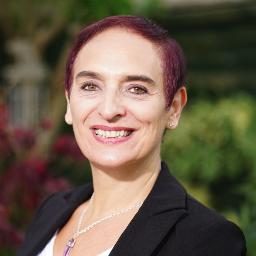
Malwina Matysek
BACP
4 years in practice BACP English, Polish
Integrative counsellor for anxiety and life change
- Stress & Anxiety
- Trauma and Abuse
- Grief
UK counsellors online
1,234 counsellors in the United Kingdom and Australia list life purpose on their profile. A listed topic is not a specialism; each profile shows the counsellor's professional body, experience and languages.
Browse therapists who specialise in life purpose and meaning to explore approaches that help you clarify values, goals, and direction. Use the listings below to review each therapist's focus areas, approaches, languages, and credentials as you decide who might fit your needs.
BACP
4 years in practice BACP English, Polish
Integrative counsellor for anxiety and life change
NCPS
3 years in practice NCPS
Counsellor for anxiety and life changes
BACP
18 years in practice BACP English, Greek
Psychodynamic counsellor for diverse concerns
NCPS
12 years in practice NCPS
Counsellor for stress, anxiety and life changes
BACP
13 years in practice BACP
Experienced counsellor for adult mental health
5 years in practice BACP
Counsellor for stress, relationships and trauma
BACP
5 years in practice BACP
Counsellor for anxiety, trauma and relationship issues
BACP
3 years in practice BACP
Relational counsellor for stress and relationships
BACP
4 years in practice BACP English, Gujarati
Counsellor for stress, relationships and trauma
BACP
6 years in practice BACP
Counsellor for anxiety, grief and relationship issues
BACP
27 years in practice BACP English, Punjabi
Experienced counsellor for relationships and addiction
BACP, NCPS
14 years in practice BACP, NCPS
Counsellor for anxiety, grief and life changes
BACP
7 years in practice BACP
Counsellor for anxiety, trauma and identity
BACP
3 years in practice BACP English, Punjabi
Counsellor for stress, anxiety and trauma
BACP
7 years in practice BACP
Counsellor for anxiety, trauma and relationships
BACP
20 years in practice BACP
Counsellor for stress and relationships
BACP
15 years in practice BACP
Experienced person-centred counsellor
BACP
6 years in practice BACP
Counsellor for anxiety, addiction and relationships
BACP
9 years in practice BACP
Person-centred counsellor and psychotherapist
BACP
25 years in practice BACP
Experienced counsellor for emotional and relationship issues
NCPS
9 years in practice NCPS English, Dutch
Counsellor for anxiety and life change
NCPS
13 years in practice NCPS
Counsellor for anxiety, relationships and parenting
NCPS
3 years in practice NCPS
Counsellor for stress, anxiety and grief
5 years in practice BACP
Counsellor for anxiety, trauma and life changes
BACP, NCPS
5 years in practice BACP, NCPS English, Greek
Integrative counsellor for anxiety and relationships
BACP
4 years in practice BACP
Counsellor for anxiety, trauma and relationship issues
BACP
3 years in practice BACP
Counsellor for stress, anxiety, and LGBT concerns
NCPS
11 years in practice NCPS
Person-centred counsellor for adults and teens
BACP
24 years in practice BACP
Integrated counsellor for anxiety and trauma
BACP
3 years in practice BACP
Experienced BACP counsellor working with common mental health concerns
NCPS
9 years in practice NCPS
Counsellor for anxiety, relationships and identity
8 years in practice BACP
Counsellor for relationships and life changes
BACP
5 years in practice BACP
Counselling for anxiety, depression and life changes
PACFA
15 years in practice PACFA
Relationship and family counsellor
BACP
7 years in practice BACP
Counsellor for anxiety, depression and addictions
NCPS
4 years in practice NCPS
Counsellor for stress, anxiety and trauma
BACP
5 years in practice BACP
Counsellor for trauma and relational problems
NCPS
5 years in practice NCPS
Counsellor for women's emotional wellbeing
NCPS
11 years in practice NCPS
Counsellor for stress, anxiety and relationships
BACP, NCPS
5 years in practice BACP, NCPS English, Albanian
Integrative counsellor for anxiety and addiction
ACA
15 years in practice ACA
Individual counsellor specialising in life changes and trauma
BACP
3 years in practice BACP
Counsellor for stress, mood and relationships
BACP
7 years in practice BACP
Counsellor for anxiety, grief and life change
BACP
23 years in practice BACP
Counsellor for stress, grief and relationships
BACP
4 years in practice BACP
Counselling for stress, relationships and life changes
NCPS
3 years in practice NCPS
Counsellor for stress, anxiety and relationships
BACP
5 years in practice BACP
Counsellor for anxiety, depression and addictions
BACP
7 years in practice BACP
Counsellor for stress, anxiety and grief
Counsellor listings come from BetterHelp. We will earn a commission if you sign up through our links, at no extra cost to you.
Life purpose is the sense that your actions, choices, and roles connect to something meaningful for you. For some people that connection is expressed through career and creative work, for others it shows up in relationships, community involvement, spiritual practice, or ongoing personal growth. You may notice a strong clarity about what matters to you or you may feel a persistent gap between how you spend your time and what you believe is important. Either way, questions about purpose are common at transition points - after a major life event, during a career change, when relationships shift, or as part of deeper reflection about aging and legacy.
The experience of purpose is not static. It can shift as your circumstances, responsibilities, and values evolve. When purpose feels aligned with your daily life, you may notice greater motivation, resilience, and a clearer sense of direction. When it feels absent or muddled, you might experience restlessness, low energy, indecision, or a sense of drifting. Therapy that focuses on life purpose helps you trace where those feelings come from, identify patterns that support or undermine meaning, and take practical steps toward a life that reflects what matters most to you.
You might consider life purpose work in therapy if you feel persistent dissatisfaction despite outward success, or if you find it difficult to commit to decisions because you are unsure what truly matters. Maybe you wake up with a sense of emptiness that routines and accomplishments do not fill, or you notice that relationships or work feel progressively less engaging. Changes such as retirement, relocation, loss, or becoming a parent often prompt deeper questions about your direction. Similarly, if you find yourself replaying the same choices without finding different outcomes, you may be caught in patterns that obscure your deeper priorities.
Other signs include frequent comparison with others, avoiding decisions that matter because of fear of making the wrong choice, or a nagging sense that you are living according to expectations that are not your own. You may also be drawn to explore values, identity, and legacy but uncertain how to translate reflections into action. Therapy can help you identify the emotions and beliefs that shape these experiences, develop clearer language for what you want, and create sustainable steps toward a life that aligns with your evolving sense of purpose.
In sessions that centre on life purpose you will typically move between reflection and action. Early meetings often involve exploration - mapping your history, core values, meaningful experiences, and the relationships that shaped how you see yourself. Your therapist will invite questions that help you notice recurring themes, emotional responses, and assumptions that influence your choices. Over time you will practice articulating what matters and testing small, intentional changes to see how they feel in daily life.
A typical session may begin with a check-in about how you are feeling and any events since your last meeting. You and your therapist will then explore topics that matter most to you, which may include clarifying values, examining limiting beliefs, reflecting on role expectations, or experimenting with new behaviours. Sessions often end with a reflection on insights and a plan for what you might try between meetings. The pace and focus depend on your needs - sometimes conversations are contemplative and narrative, and at other times they are action-oriented and goal-focused.
Therapy for life purpose balances understanding with practical steps. You will likely work on building awareness around priorities, learning to make decisions that reflect your values, and developing strategies to manage doubt and fear that arise when you change course. Progress is often gradual; meaningful shifts come from consistent reflection and small experiments rather than dramatic overnight transformation. Your therapist can help you set realistic, values-aligned goals and maintain momentum when obstacles appear.
Therapists who list narrative therapy among their approaches may invite you to examine the stories you tell about who you are and who you should be. Reframing those narratives can open space for alternative paths that feel more authentic. Therapists who list cognitive behavioural therapy among their approaches often focus on identifying beliefs that limit choice and on creating experiments to test and shift those beliefs. Therapists who list acceptance and commitment therapy among their approaches commonly work with values clarification and actions aligned with what matters, even in the presence of difficult thoughts and feelings.
Other practitioners may list existential approaches among their approaches, emphasising questions of meaning, mortality, freedom, and responsibility. Mindfulness-based approaches are sometimes used to help you notice internal experience without being driven by it, creating an inner environment where values can be perceived more clearly. Some therapists describe integrative work that blends elements from several traditions; in those cases you can look for descriptions that match the way you like to reflect and act. When reviewing profiles, note the phrasing therapists use - for example, whether they mention values clarification, narrative exploration, or action planning - so you can find an approach that resonates with your preferences.
Online therapy offers a flexible format for life purpose work that can fit around a busy life. Sessions typically happen by video so you can have face-to-face conversation from your home or another place that feels comfortable. Some therapists also use messaging or phone calls for interim check-ins, journaling prompts, or exercises you can complete between sessions. Technology makes it easier to connect with practitioners who speak your language or who emphasise the specific approaches you prefer, regardless of geographic distance.
When you choose online therapy, think about the environment where you will meet. You will want a place where you can speak openly without interruption and where you can focus on reflection. Communication about scheduling, fees, and session format is usually available on each therapist's profile. Keep in mind that the rhythm of online work is the same as in-person work in that change is shaped by consistent reflection and practice. If you choose to work with someone who lists certain approaches among their approaches, plan to discuss early on how those methods will translate to online sessions and what kinds of between-session work you might do.
Choosing a therapist is a personal decision. Start by reading profiles to see which therapists describe life purpose, meaning, values, or career and identity work in ways that resonate with you. Pay attention to the language they use about their focus areas and the approaches they list - for example, whether they mention values clarification, narrative exploration, existential questions, or goal-focused planning. Consider practical factors such as the languages they work in, the populations they highlight, and any stated experience with life transitions that match your situation.
It can help to prepare a brief description of what you want to explore - the questions you have about direction, the conflicts you feel, and the outcomes you hope for - so you can get a sense from a profile whether a therapist’s emphasis aligns with your goals. During an initial conversation you might ask how they typically structure sessions for life purpose work, what kinds of exercises they use between meetings, and how they balance reflection with practical steps. Remember that fit includes both professional orientation and interpersonal style. Trust your sense of whether you feel understood and whether the therapist’s way of working makes you feel motivated to try new things between sessions.
Above all, expect life purpose work to be a process of discovery. You will likely move through seasons of clarity, doubt, experimentation, and adjustment. A therapist can be a thoughtful companion on that journey - helping you translate reflection into choices, manage the uncertainty that comes with change, and build a life that increasingly reflects what you value. Use the listings above to find practitioners who describe approaches and backgrounds that match your priorities, and take the next step toward exploring what matters to you now.